A Study in Texture and Taste
The thermodynamics of crystallization and granite conching
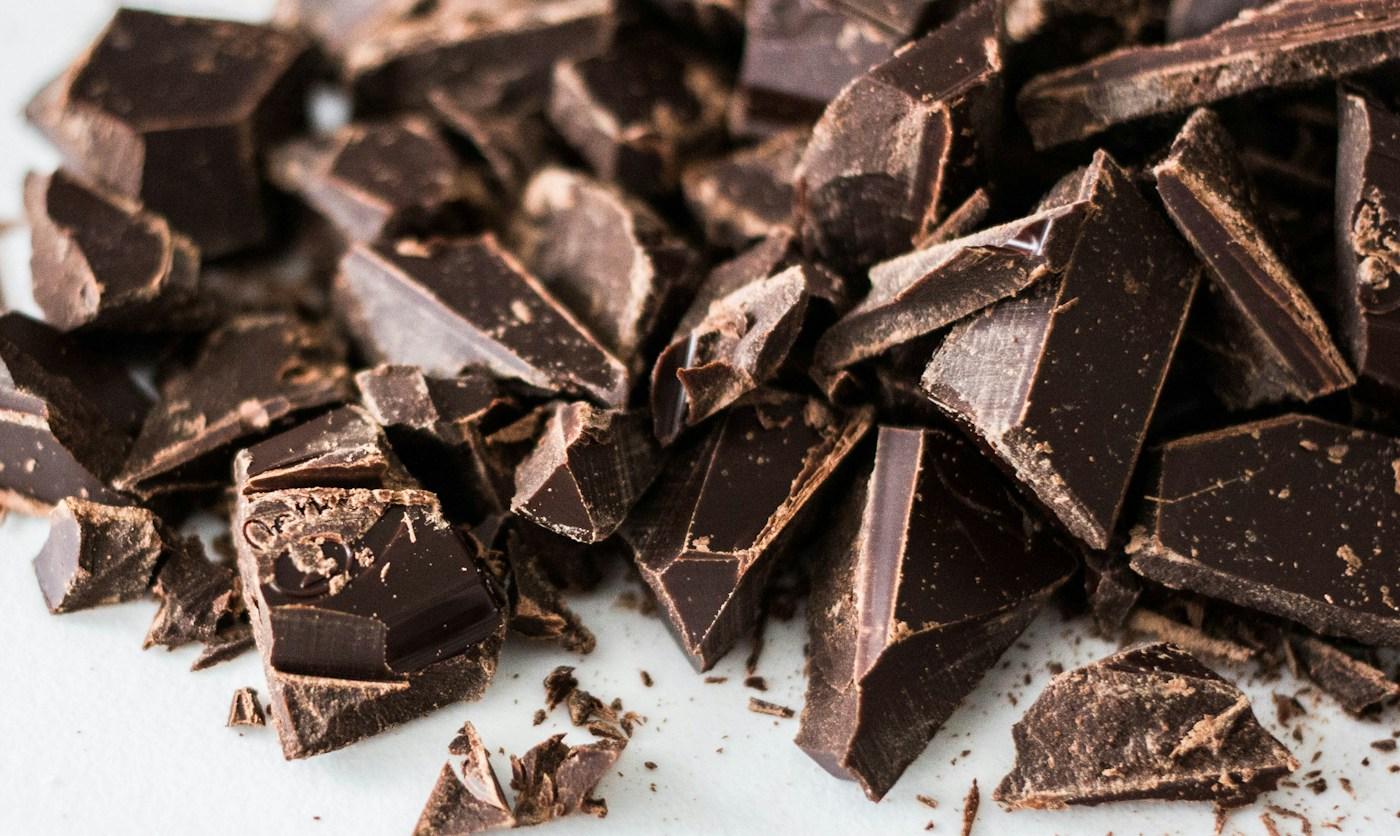
The distinction between pleasant chocolate and unforgettable chocolate lies not merely in the selection of the bean, but in the micro-physics of crystallization. To master chocolate is to become a student of polymorphism.
The Quest for Form V Crystals
Cocoa butter can crystallize into six distinct polymorphic arrangements, denoted by Roman numerals I through VI. Only Form V—the beta crystal—possesses the precise molecular symmetry required for the audible, clean snap and mirror-like satin sheen characteristic of haute chocolaterie.
Achieving Form V requires exact thermodynamic choreography: elevating the molten mass to 45°C to erase all prior crystal memory, dropping the temperature rapidly to 27°C while agitating the emulsion on cold obsidian slabs to initiate seed crystals, and gently warming it back to 31.5°C before casting.
“A single degree of error in tempering is the difference between dull chalk and polished obsidian.”
The Alchemy of 96-Hour Conching
Invented in 1879 by Rodolphe Lindt, the conche machine transforms grainy cocoa mass into an ethereal emulsion. However, modern industrial production reduces this crucial phase to a hurried four hours under high shear.
In our atelier, we retain granite roller melangeurs that stroke the cacao mass continuously for up to 96 hours. Over these four days, harsh volatile acetic acids evaporate into the atmosphere, while the cocoa particles are ground down below 12 microns—smaller than the threshold of human tactile perception on the tongue.
The Obsidian Tasting Council meets in Geneva to catalog seasonal vintage harvests and analyze volatile flavour compounds.
Companion Essays
The Language of Dark Chocolate
To taste exceptional chocolate is not to consume sweetness; it is to decipher the geological memory of soil, sunlight, and careful fermentation.
PhilosophyThe Ritual of Indulgence
In a culture obsessed with speed and volume, true luxury is the deliberate slowing of perception. An essay on ritual, darkness, and solitary pleasure.